

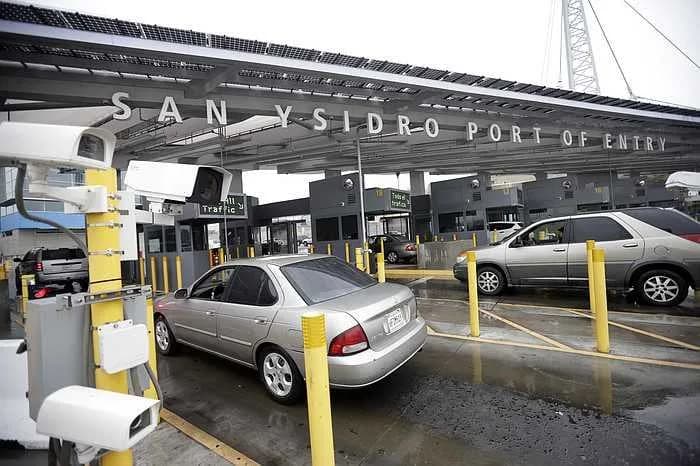
If you regularly cross from Tijuana back into the U.S., the newer West SENTRI lane at San Ysidro can save you a massive amount of time — but only if you know exactly how to get to it. Navigation apps love to reroute you into the wrong streets.
This guide explains what the West SENTRI lane is and which lane you’re actually supposed to use when leaving Mexico. Before any of it matters, make sure the drive south is covered — Baja Bound's FAQ says U.S. policies are not considered proof of financial responsibility under Mexican law, so you’ll want Mexican auto insurance in place before you cross.
What the West SENTRI Lane Is
The West SENTRI lane is the newer, more streamlined SENTRI entry into the U.S. at the San Ysidro Port of Entry. It’s specifically designed for pre-approved SENTRI users (CBP's trusted traveler program for the southern border, with a background check and an in-person interview before enrollment) who have:
- A valid SENTRI card
- A SENTRI-approved vehicle
- Everyone in the vehicle listed on the SENTRI program
If even one person or the vehicle is not enrolled, you must use a different lane.
Finding the West SENTRI Entrance
Follow the posted signage for the WEST SENTRI lanes and the marked route into the inspection area. Do not take a navigation-app shortcut into a lane you are not sure of.
Which Lane Should You Use?
When leaving Mexico heading into the U.S., there are three lane types:
1. SENTRI Lane
Use this only if you have full SENTRI approval and your vehicle is enrolled. Fastest lane, strictest requirements.
2. Ready Lane
For travelers carrying a Ready Lane-eligible card: a U.S. passport card, enhanced driver's license or trusted traveler card, among others listed by CBP. A passport book is not on CBP's list. Faster than the regular lanes but slower than SENTRI.
3. Regular Lanes
For everyone else. Typically the longest wait times.
Always choose the lane that matches your documents and vehicle. Check CBP's live wait times before you leave.
For the documents each traveler needs before crossing, see what you need before you drive into Mexico.
Why This Matters
Most SmartGringo readers live in Baja or travel across the border often, whether for a quick errand or a full Baja road trip. If you use the wrong route, a 20-minute SENTRI crossing can turn into a two-hour headache. This matters most on the big holiday weekends, when SENTRI is the difference between 30 minutes and four hours — see our Labor Day Weekend 2026 Border Crossing Guide for the exact windows to aim for.
Whichever lane you use heading north, don’t forget that the drive south needs valid Mexican auto insurance — it’s required from the moment you cross. To see what that policy covers and what it leaves out, read our auto coverage guide.
Heading south afterwards? Get a Mexican auto insurance quote.