
Mexican Homeowners Insurance
Property coverage for your home in Mexico
Dwelling, contents, and liability coverage for homes, condos, and rental properties owned by US and Canadian citizens in Mexico.
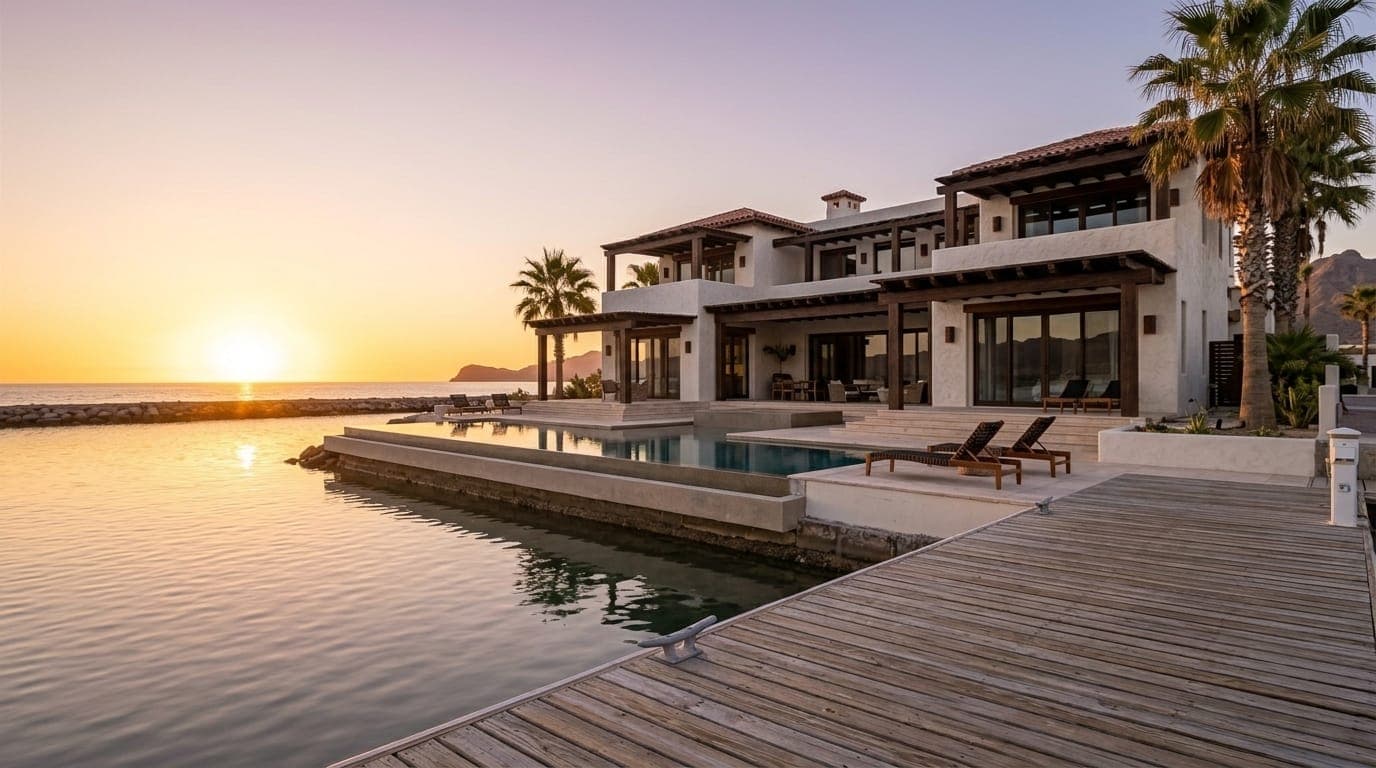
Mexican homeowners insurance is a property policy issued in Mexico that covers your home or condo against fire, storms, theft, and liability claims. If you own property in Mexico — full-time, part-time, or as a rental — your US homeowners policy does not cover it. This page covers what's included, the natural-disaster exposures specific to Mexican property, and how to get a policy online.
Read the full Mexican homeowners insurance buyer’s guide →
See also: Mexico Renters Insurance · Mexico Condo Insurance

What homeowners insurance covers
- Dwelling structure and permanent fixtures
- Personal contents and valuables
- Liability for injuries on your property
- Theft and vandalism
- Hurricane and tropical-storm damage
- Loss of rental income (rental properties)
What's not covered
- Properties used for high-risk commercial activity
- Damage from neglect or pre-existing structural issues
- Earthquake unless you add the rider (recommended in Pacific-coast areas)
Coverage levels
| Basic | Standard | Premium | |
|---|---|---|---|
| Dwelling coverage | Up to $250K | Up to $750K | Up to $2M |
| Personal contents | 10% of dwelling | 30% of dwelling | 50% of dwelling |
| Liability | $100,000 | $300,000 | $500,000 |
| Hurricane / tropical storm | Included | Included | Included |
| Earthquake rider | Optional | Optional | Optional |
| Loss of rental income | — | Available | Included |
Dwelling coverage
- Basic
- Up to $250K
- Standard
- Up to $750K
- Premium
- Up to $2M
Personal contents
- Basic
- 10% of dwelling
- Standard
- 30% of dwelling
- Premium
- 50% of dwelling
Liability
- Basic
- $100,000
- Standard
- $300,000
- Premium
- $500,000
Hurricane / tropical storm
- Basic
- Included
- Standard
- Included
- Premium
- Included
Earthquake rider
- Basic
- Optional
- Standard
- Optional
- Premium
- Optional
Loss of rental income
- Basic
- —
- Standard
- Available
- Premium
- Included
Why your existing policy stops at the border
A homeowners policy is a contract tied to a specific insured location. When that location is in another country, the policy has nothing to attach to. There is no rider your US carrier can add, and no reciprocal arrangement that quietly extends the cover.
There is a practical dimension too. Even if a foreign insurer were willing to pay, a claim on Mexican property has to be assessed, adjusted, and settled under Mexican terms, by people who can reach the property. That is what a Mexican-licensed policy is for. It is not a formality or a duplicate of something you already hold.
What a Mexican homeowners policy is built to cover
The core of the policy is the dwelling itself: the structure, the permanent fixtures, and the parts of the property that cannot be picked up and carried away. Around that sits cover for personal contents, and liability protection for injuries that happen on your property.
For owners who rent the property out, loss of rental income is a meaningful addition. If a covered event makes the home unlettable, the policy can address the income gap rather than only the repair bill.
What sits outside a standard policy is worth knowing just as clearly. Damage traced to neglect or to pre-existing structural problems is not a covered peril, and property used for high-risk commercial activity generally falls outside a residential policy entirely. Neither exclusion is unusual, but both catch people who assumed cover was broader than it is.
The exposures that are specific to Mexican property
Two risks deserve their own conversation, because they are where Mexican property insurance genuinely differs from what North American owners are used to.
Hurricane and tropical storm damage is included on a standard policy. This matters on both coasts and throughout the Yucatan, where wind and storm damage is a routine rather than exotic risk. What is often separate is flood from rising surface water, which is a different peril from wind-driven damage and should be asked about specifically rather than assumed.
Earthquake is the one to pay attention to. It is offered as an optional rider rather than included by default. For property in Baja, Oaxaca, Chiapas, or Mexico City, declining that rider is a decision rather than an oversight, and it should be made deliberately. The premium difference is small against the exposure it addresses.
What actually drives the price of a Mexican homeowners policy
There is no single average premium for a Mexican homeowners policy, and any figure presented as one is describing a property that is not yours. What can be described precisely is the set of things the quote is built from, because these are the inputs an insurer actually asks for before it prices anything:
Postal code. Location drives exposure more than any other single input. Coastal, seismic, and inland properties are not priced alike.
Approximate size of the home. The starting point for what it would cost to put the structure back.
Structure replacement value. Not what you paid, and not what the property would sell for. What it would cost to rebuild it. Owners routinely conflate these three and it is the most common source of a badly sized policy.
Value of your belongings. Furnishings, electronics, appliances, and personal property, assessed realistically rather than by rough guess. In a furnished second home this number climbs faster than people expect.
Construction materials. Wood and light-construction elements are rated differently from masonry and concrete.
Number of stories. Part of how the structure itself is assessed.
Proximity to water. Distance from the coast or from other water features changes the storm and flood picture directly.
If you want a number rather than a range, those seven inputs are what produces it, and supplying them accurately takes a few minutes. A quote built on a guessed replacement value is not really a quote.
Full-time, part-time, and rental use are three different conversations
How the property is used changes what the policy needs to do. A home lived in year-round, a place occupied a few months a year, and a property let to paying guests each carry a different risk profile, and each should be described accurately rather than simplified.
Occupancy is the detail most often glossed over. A house standing empty for long stretches is not the same insurance proposition as one that is continuously occupied, and a property hosting short-term guests is different again. None of these makes a property uninsurable. All of them make the description you give at quote time matter.
What to have ready before you request a quote
Getting a useful quote is quick when the numbers are in front of you. Have the postal code, a realistic rebuild cost for the structure, an honest figure for contents, and a clear description of how the property is used and how it is built.
It is also worth doing something most owners never get round to: a photo inventory of the contents, and receipts for significant upgrades where you still have them. It makes the contents figure defensible rather than approximate, and if a claim ever happens it turns a reconstruction exercise into a straightforward one.
All risks or named perils, and why the cheaper one can cost more
Mexican home policies come in two shapes, and the difference matters more than the premium gap suggests. An all-risks policy covers a broad list of events, from natural-disaster damage through to burglary, and you work from what is excluded rather than what is included. A named-perils policy covers only the specific events you name when you buy it.
Named perils is the cheaper of the two, and that is exactly what makes it risky. Anything not on the list is not covered, and the omissions only surface at claim time. If you are choosing on price, be clear about which events you are declining before you decline them.
How to get covered
- 1Enter the property address, value, and use (primary, vacation, rental).
- 2Pick coverage limits and add an earthquake rider if you're on the Pacific coast.
- 3Pay annually online — the policy is good for 12 months.
Your Mexican home deserves a Mexican policy.
Get a QuotePlanning a longer trip?
Insuring a property in Mexico works differently from insuring one at home. These guides cover what it costs and who actually sells it.
Frequently asked questions
Can my US or Canadian homeowners policy cover my Mexican property?
No. Those policies cover property at an address in their own country. Property held in Mexico needs a separate policy from a Mexican-licensed insurer, which is also what makes a claim payable on the ground.
Is earthquake coverage included?
It is offered as an optional rider rather than included as standard. In Baja, Oaxaca, Chiapas, and Mexico City it is strongly worth adding.
Does the policy cover hurricanes and tropical storms?
Wind and storm damage from hurricanes and tropical storms is included on a standard policy. Flood from rising surface water is typically handled separately, so ask about it specifically before you buy.
Are rental properties covered?
Yes, and cover for loss of rental income is available for properties that are let. If you list the property on a short-term rental platform, say so at quote time, because it changes both the liability picture and the occupancy profile.
What does a Mexican homeowners policy cost?
There is no meaningful average, because the premium is built from the property's location, rebuild cost, contents value, construction, and how it is used. Two houses on the same street can price very differently. The quote takes a few minutes once you have those figures ready.
How do I value the structure for the policy?
Use rebuild cost, not purchase price and not market value. The question the insurer is answering is what it would take to reconstruct the property, which is a different number from what it would sell for.
Can I insure the title as well as the property?
Title insurance is separate from the homeowners policy and is worth asking about as a foreign buyer. It covers defects in the title itself, the kind that can lead to a lawsuit or a loss of possession, which a property policy does not address.
Related articles
What Does Mexico Renters Insurance Cover
A plain-language guide to what Mexico renters insurance covers, what it excludes, and how it differs from U.S. and Canadian renters policies.
Read more →Renters Insurance for Mexico Condo Rental
Why renters insurance matters when you lease a Mexican condo or home, and what a tenant policy covers that the landlord's doesn't.
Read more →Mexico Renters Insurance vs Landlord Coverage
One-day Mexican auto insurance is one of the most useful options for drivers who want to cross the border for a fast, clearly defined trip without...
Read more →HOA Insurance in Mexico What It Covers
The best temporary Mexican auto insurance is not simply the shortest policy or the cheapest quote. It is the policy that fits the trip, the vehicle,...
Read more →Why trust SmartGringo
Independent since 2017
SmartGringo is a Mexico-resident-run review site. We compare Mexican insurance products and earn affiliate commission when you buy. We don't sell insurance ourselves — we recommend it.
Licensed partners only
Insurance through Baja Bound Insurance Services, Inc. (CA License #0D25373), IMG Global, and TME — all U.S.-licensed providers using A-rated underwriters.
Written from Rosarito
Our content is written from Baja, Mexico — by someone who deals with Mexican insurance day-to-day. Not a contractor in a US call center.
Looking for something different?
Mexico Renters Insurance
Renters insurance for Mexican apartments, condos, and rental homes — protects what's yours, not the building.
Learn more →Mexico Condo Insurance
Condo-specific cover for Mexican units — fills the gap between the HOA master policy and your interior.
Learn more →Mexican Auto Insurance
Short-term Mexican auto insurance from one day to one year, issued online and recognized by Mexican authorities at the border and in the event of a claim.
Learn more →