

Many travelers go their whole trip to Mexico without ever needing a consulate — and that is exactly why so few know when to actually call one. A US consulate is not a tourist help desk and not an emergency room. It is a specific tool for a specific set of problems involving US citizens abroad. Knowing when to reach out, when to call 911 instead, and what the consulate can realistically do is the difference between a fast resolution and a wasted, frightening afternoon.
This guide walks through the situations that genuinely warrant a call to a US consulate or the embassy in Mexico, the ones that don't, and how the after-hours system works when things go wrong at 2 a.m.
First: when to call 911, not the consulate
If life, safety, or property is in immediate danger — a serious car accident, a crime in progress, a medical crisis — call 911 first. Mexico uses 911 nationwide, and local police, paramedics, and firefighters will reach you faster than a consular officer can. The consulate cannot dispatch an ambulance or send police; that is what 911 is for.
Once the immediate danger is handled, then the consulate becomes relevant — to notify your family, to check on your welfare if you are detained or hospitalized, or to help replace documents lost in the chaos. Think of the order as: 911 for the emergency, consulate for the aftermath.
When you SHOULD contact a US consulate
These are the classic situations where a consulate is the right call.
Lost or stolen passport
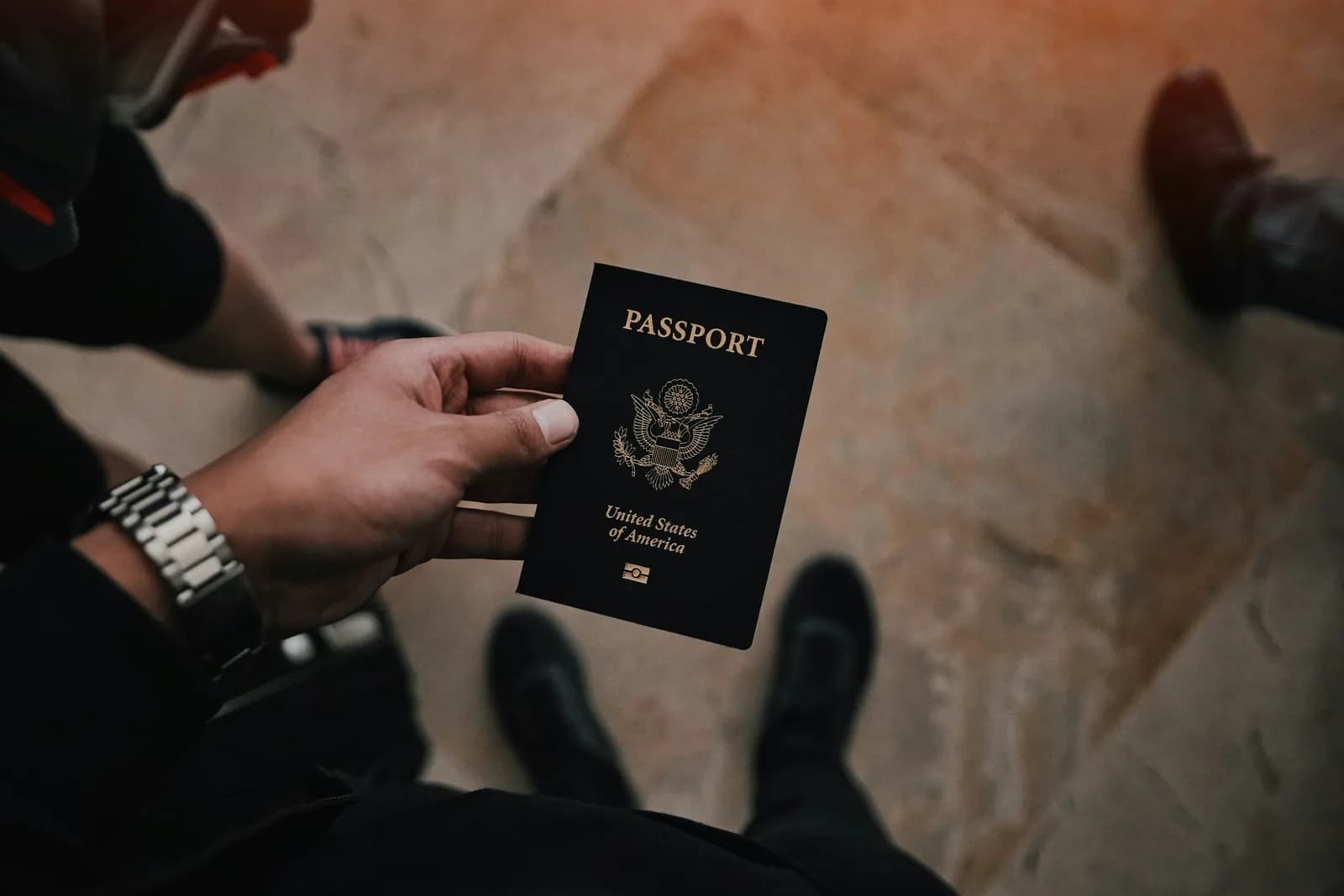
This is a common reason travelers contact a consulate. If your passport is lost or stolen, file a police report (the denuncia), then contact the nearest consulate to book an emergency passport appointment. If you have a flight soon, say so. Having a photo of your passport saved on your phone helps, which is why we recommend taking one before you travel.
Death of a US citizen
The consulate assists with reports of death, communicating with family in the US, and the logistics of repatriating remains — a process that is both emotionally and financially heavy.
Becoming a victim of a serious crime
Beyond filing a local police report, the consulate can connect victims with local resources, help replace stolen documents, and provide referrals for medical or legal help.
Natural disasters or civil unrest
When a hurricane hits the coast or unrest disrupts a region, the consulate and embassy coordinate information, safety guidance, and — in extreme cases — evacuation.
Routine citizen services
Not every reason is an emergency. Consulates also handle passport renewals, Consular Reports of Birth Abroad, notarials, and federal-benefits questions — almost always by appointment booked online.
When the embassy in Mexico City is the right call
For travelers, the practical rule is: contact the consulate that serves your region first. The embassy in Mexico City serves the capital and central Mexico directly, but its broader role is running the nationwide after-hours emergency system. When a consulate is closed, the embassy's duty officer answers urgent calls. You don't usually need to decide between them — the system routes you to the right place.
If you are unsure which office is nearest, our companion guides list them with addresses and phones: see List of US Consulates in Mexico: Addresses, Phone Numbers, and Services and How Many US Consulates Are There in Mexico?.
How to reach a consulate after hours
Emergencies rarely respect business hours. Here is the system:
- Life-threatening emergency: call 911, Mexico's emergency number, first; for roadside help, Ángeles Verdes answers on 078 (Ángeles Verdes, gob.mx).
- From inside Mexico: the embassy's emergency line for US citizens, including outside business hours, is 55 2579 2000; from the United States dial 011 52 55 2579 2000 or +1 301 985 8843 (US Embassy Mexico contact page).
- From the United States: the State Department's Overseas Citizens Services can relay an urgent message to the right post in Mexico; call 888-407-4747 from the U.S. and Canada, or +1 202-501-4444 from all other locations (State Department, Help Abroad).
Confirm the current numbers on the official US Mission to Mexico contact page and save them offline before your trip — you may not have data when you need them most.
Ask what the consulate can and cannot do
When you reach a consular officer, ask directly what they can do in your situation and what they cannot, and ask who pays for anything that follows. Read the State Department's own description on its help-abroad page before you travel. A serious accident in a remote part of Mexico can require an air ambulance costing tens of thousands of dollars; a hospitalization can demand a large deposit before treatment even begins.
Why insurance fills the gap the consulate leaves
This is the heart of the matter. Because consular help stops exactly where the bills begin, the right insurance is what actually protects you in the situations above.
Travel medical insurance covers the doctor and hospital costs the consulate won't — the deposit, the surgery, the medication. For trips into remote areas, or any serious medical event, medical evacuation insurance pays for the air ambulance and repatriation that can otherwise wipe out your savings. And when a hurricane, illness, or family emergency forces you to cancel or cut a trip short, trip protection recovers the non-refundable costs.
The US State Department says: "We highly recommend that you buy travel insurance before you travel." SmartGringo links to IMG for travel medical plans. IMG's Patriot plans exclude pre-existing conditions and include what IMG calls "global emergency assistance services" (IMG). Read the plan wording before you buy. For the other products, see our pages on medical evacuation insurance and trip protection.
Put simply: when you call a consulate, you are usually facing a problem that also has a price tag. The consulate handles the first part; your insurance handles the second. For the full readiness checklist — STEP enrollment, document photos, and emergency contacts — see our US consulates in Mexico page.
The bottom line
Call 911 for any immediate danger, and turn to a US consulate for the aftermath: a lost passport, an arrest, a hospitalization, a death, or a disaster. Know which consulate serves your region, save the after-hours numbers offline, and enroll in STEP before you go. Then close the one gap the consulate can't fill — the financial one — with travel insurance that covers the costs no consular officer ever will. That is what turns an emergency abroad from a catastrophe into something you can actually handle. The US State Department says: "We highly recommend that you buy travel insurance before you travel."
Before you fly, See what a plan costs.