California Drivers
Mexican Auto Insurance for California Drivers
A practical guide for California drivers crossing into Mexico — border crossings, coverage requirements, common destinations, and what's specific about traveling from California into Baja and beyond.
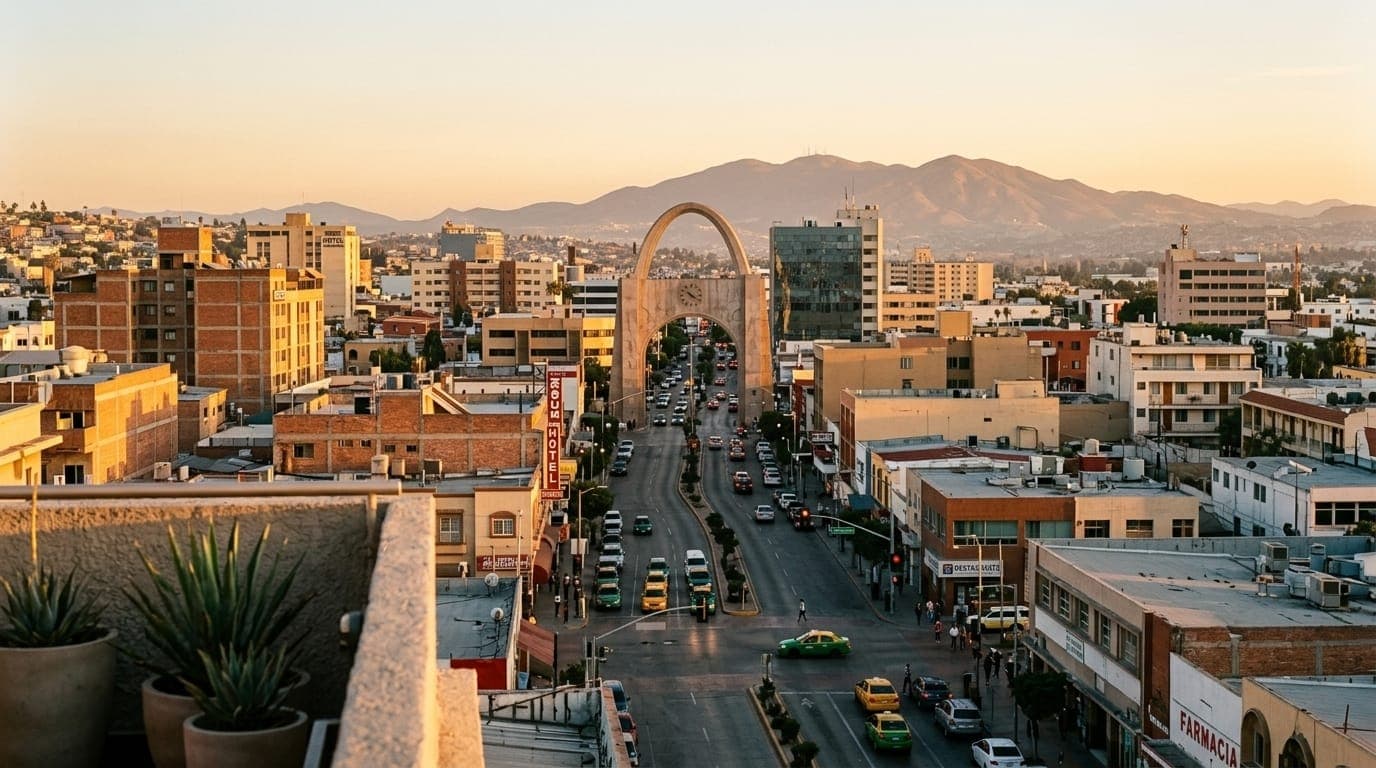
California sends more vehicles into Mexico than any other U.S. state. The San Ysidro crossing alone is the busiest land port of entry in the Western Hemisphere, and California drivers represent the largest share of leisure traffic into Baja California. Whether you cross every weekend for surfing in Rosarito, drive down for the wine country in Guadalupe Valley, do a yearly Baja peninsula run to Cabo, or commute regularly between San Diego and Tijuana, the insurance picture is the same: California auto policies don't work in Mexico, and you need a separate Mexican policy.
This guide covers what California drivers specifically need to know — the crossings most relevant to you, the destinations most California travelers actually visit, and the regional considerations that don't apply to drivers crossing from other states.
Why your California auto policy doesn’t cover Mexico
California auto insurance is regulated by the California Department of Insurance under California Insurance Code provisions that don’t extend across the border. Most major California carriers — State Farm, Allstate, Geico, Progressive, AAA, Mercury, Farmers, and Wawanesa — explicitly exclude Mexico coverage from standard policies, or extend only a narrow strip near the border with limited liability protection.
Even if your California carrier offers a “Mexico Coverage Endorsement” or a similar rider, those endorsements rarely satisfy Mexican legal requirements. They typically cover physical damage to your own vehicle in a limited border zone but exclude the third-party liability coverage that Mexican law actually requires. In an at-fault accident in Mexico, your California carrier’s endorsement won’t keep you out of detention.
The practical answer is the same for every California driver crossing the border: get a separate Mexican-licensed policy before you cross. Most California drivers buy through online comparison platforms, which connect them to CNSF-licensed Mexican carriers (most often HDI Seguros or Chubb Seguros).
Border crossings California drivers use
Five major crossings serve California drivers heading into Mexico:
San Ysidro / Tijuana is the busiest in the Western Hemisphere — roughly 70,000 northbound vehicles per day, plus heavy southbound traffic on weekends. San Ysidro feeds directly into Tijuana, with quick connections south via the Mex-1 toll road to Rosarito, Ensenada, and the rest of Baja California. Most weekend Baja travelers from San Diego, Orange County, and LA use San Ysidro. SENTRI lanes significantly reduce northbound wait times for trusted travelers.
Otay Mesa / Tijuana East is the secondary San Diego-area crossing, primarily for commercial traffic but increasingly used by passenger vehicles avoiding San Ysidro waits. Otay Mesa is faster on weekend mornings and connects to the eastern part of Tijuana.
Tecateis a smaller, slower-paced crossing about 40 miles east of San Diego, popular with travelers heading to Valle de Guadalupe (Mexico’s wine country) or eastern Baja. The crossing itself is usually faster than San Ysidro both directions.
Calexico / Mexicali is the main Imperial Valley crossing, used by drivers from inland California heading to San Felipe, the eastern Sea of Cortez, or interior Sonora. Calexico has east and west crossings; Calexico West is the busier passenger crossing.
Andrade / Algodones is the smallest of the major California crossings, near Yuma at the California-Arizona border, used by some drivers heading to San Felipe or Rocky Point as an alternative to San Luis.
All five crossings recognize Mexican auto policies issued by the major U.S.-side affiliates. There’s no crossing-specific policy variant — your Baja Bound, IMG, or other Mexican policy works at any of them.
Coverage requirements for California drivers
The legal floor in Mexico is third-party liability coverage from a CNSF-licensed Mexican carrier. That’s the same regardless of which U.S. state you’re crossing from. The practical floor — what you actually want — depends on the trip:
For day trips and weekend trips to Tijuana, Rosarito, Tecate, or Ensenada: liability-only or standard coverage. Daily rates run $15–40 depending on vehicle and tier. The Free Zone covers all of Baja California, so you don’t need a Temporary Import Permit (TIP) for vehicle import — just insurance.
For longer Baja trips (Cabo, La Paz, drive south of Ensenada past 50 miles): standard or premium coverage, scaled to trip length. Many California drivers doing Baja peninsula runs buy a 7–14 day standard or premium policy. The Free Zone still covers the entire Baja peninsula, so still no TIP required.
For Valle de Guadalupe wine trips: day or weekend standard coverage. Wine country sits between Tecate and Ensenada and is fully within the Free Zone.
For drives into mainland Mexico via Calexico (interior Sonora, Sinaloa, etc.): standard or premium coverage, plus a TIP from Banjército. The TIP is separate from insurance and is required for any U.S.-plated vehicle going more than 16 miles from the border in the rest of Mexico.
For California drivers who cross frequently — weekly weekenders, expat commuters, Baja regulars — an annual policy almost always beats stacked day rates. Annual rates start around $250–500 for liability and $500–1,500 for standard depending on vehicle.
Common California destinations and what to know
Tijuanais 0–15 minutes south of San Ysidro depending on which neighborhood you’re heading to. Day trips work well for restaurant runs, dental tourism, or the cultural district around Avenida Revolución. Urban traffic is heavy; allow extra time. See our Tijuana auto insurance guide.
Rosaritois 25 miles south of San Ysidro, 30–45 minutes via the Mex-1 toll road. Most California weekenders’ default. Beach, lobster at Puerto Nuevo, the Rosarito Beach Hotel, and a quick drive home. See our Rosarito guide.
Ensenada is 70 miles south of San Ysidro, about 90 minutes via the Mex-1 toll road. Wine country is between Tecate and Ensenada. Cruise port, seafood, easier than Cabo for a long weekend. See our Ensenada guide.
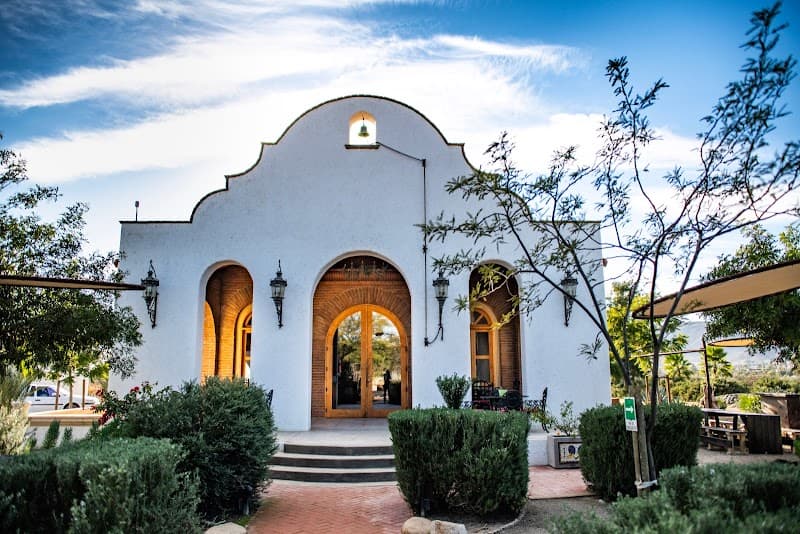
Valle de Guadalupe is 30 minutes northeast of Ensenada or directly accessible from Tecate. Mexican wine country with a growing concentration of high-end restaurants and boutique hotels. Better as a 1–2 night trip than a day trip.
San Felipe is 130 miles south of Mexicali via Mex-5, about 2.5 hours. Eastern Sea of Cortez, fishing, sport fishing tournaments, RV-friendly. Different vibe from western Baja.
Cabo San Lucas / La Paz is the full Baja peninsula drive — about 1,000 miles south, typically a 2–3 day drive each way via Mex-1. Many California drivers do this once or twice a year. Standard or premium coverage, longer policy duration, and serious trip planning required.
Sonora destinations from Calexico (Hermosillo, Guaymas, San Carlos) require TIP and are usually accessed by Arizona drivers or California drivers willing to drive several hundred miles east first.
Driving conditions California drivers should plan for
Toll roads (cuotas) on the Tijuana-Ensenada corridor and the Mex-1 are well-maintained and safer than the free roads. Toll booths accept credit cards but slowly; bring small U.S. dollars or pesos as backup.
Coastal stormsbetween Tijuana and Ensenada can produce dense fog on the toll road, particularly in the May–June “May Gray” period. Drive in daylight when possible.
Hurricane season affects southern Baja (Cabo, La Paz) from June through November. Long Baja peninsula drives during hurricane season require checking forecasts.
SENTRI northbound at San Ysidro saves 60–90 minutes most weekends. Worth applying for if you cross more than monthly. SENTRI is unrelated to insurance but transforms the practical trip experience.
Fuel is widely available in Baja but credit card acceptance varies. Pemex stations near tourist corridors usually accept cards; rural stations may be cash-only. Top off before stretches over 60 miles.
How to get insured before crossing from California
The process is the same for every California driver:
- Decide on trip dates and which vehicle you’re crossing in.
- Pick a coverage tier (liability, standard, or premium) based on vehicle value and trip exposure.
- Get a quote from a comparison platform — SmartGringo’s auto insurance page routes you to Baja Bound for the actual comparison and policy issuance.
- Pay online. The policy activates immediately.
- Save the policy and emergency claim number on your phone, in email, and as a printed copy in the glove box.
- Cross the border.
The whole process takes under five minutes for a routine trip. Don’t buy at the border booths — they’re typically more expensive and offer fewer coverage options.
What to do if you have an accident
The protocol for California drivers is the same as any U.S. driver in Mexico:
Stay at the scene. Do not leave or move the vehicle until an adjuster arrives. Mexican law requires this.
Call your carrier’s claim hotline. The number is on your policy. Bilingual support is available 24/7.
Wait for the adjuster. The adjuster will document the accident, take statements, and determine fault on scene.
Don’t sign anything or admit faultbefore the adjuster arrives. The adjuster’s report drives the claim.
For more detail, see the File a Claim page, which has the HDI Seguros and Chubb Seguros emergency contact numbers.
Get covered before you cross from California.
Get a QuoteFrequently asked questions
Does my California insurance cover Mexico at all?
Almost never in a way that satisfies Mexican legal requirements. Some California policies extend physical damage a short distance into Mexico but exclude liability — and Mexican law requires liability. Always buy a separate Mexican policy.
Do I need insurance for a day trip to Tijuana?
Yes. Mexican auto insurance is required from the moment your vehicle crosses, even for a few hours. Daily rates start around $15 for liability-only.
What's the fastest crossing from San Diego on a Saturday morning?
San Ysidro is fastest southbound on most Saturday mornings; northbound waits get long by Sunday afternoon. Otay Mesa is sometimes faster northbound. Tecate is consistently the fastest of the Baja crossings but adds 30 minutes of driving.
Can I extend my policy if I decide to stay longer?
Most carriers allow online or phone extension. Do it before your current policy expires — the gap matters.
Do I need a TIP for a Baja trip?
No. The Free Zone covers all of Baja California and Baja California Sur. Insurance is required; TIP is not. TIP becomes relevant only if you drive into mainland Mexico past the Free Zone.
What about driving to Mexico City or Mazatlán from California?
Long drives into mainland Mexico require both insurance and a TIP. Most California drivers heading to interior destinations cross at Calexico/Mexicali and pick up the TIP at the border. Standard or premium auto coverage is recommended for interior travel.
Can I add my spouse as a named driver on a Mexican policy?
Yes. Most carriers let you add named drivers at policy issue or via endorsement. Required if anyone other than the policyholder will drive the vehicle in Mexico.
Will my California license work as an ID for the policy and at the border?
Yes. Mexican policies require a U.S. or Canadian driver's license. Your California license is fine as both proof of identity and authorization to drive.
Other state guides
- Mexican Auto Insurance for Texas Drivers
- Mexican Auto Insurance for Arizona Drivers
- Mexican Auto Insurance for Florida Drivers
- Mexican Auto Insurance for Pacific Northwest Drivers
- Mexican Auto Insurance for New Mexico Drivers
- Mexican Auto Insurance for Nevada Drivers
- Mexican Auto Insurance for Colorado Drivers
- Mexican Auto Insurance for Illinois & Wisconsin Drivers
For the comprehensive product overview, see the Buyer’s Guide. For the full insurance hub, see Insurance.