
Colorado Drivers
Mexican Auto Insurance for Colorado Drivers
A practical guide for Colorado drivers crossing into Mexico — Santa Teresa and El Paso crossings, the I-25 corridor, common Chihuahua and Copper Canyon destinations, and what's specific about driving from Colorado into Mexico.
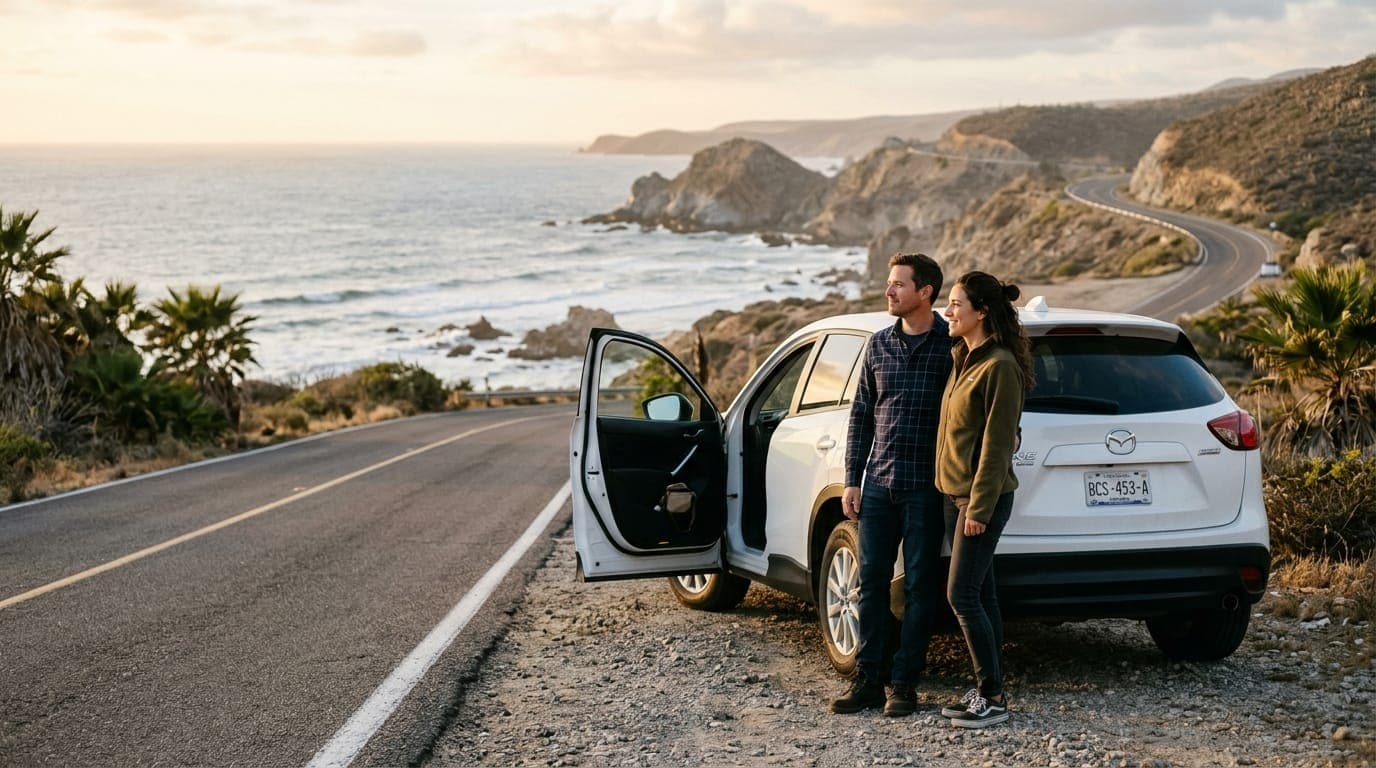
Colorado drivers heading to Mexico cross either through New Mexico into Chihuahua state — the shortest route from Denver and the Front Range — or through Texas for trips to Monterrey, Saltillo, or onward to Pacific Mexico via Mex-40. The audience this guide is for: Front Range drivers heading to Chihuahua for family or business, Copper Canyon-bound travelers, snowbirds and RV travelers doing the longer cross-country run to mainland Mexico, and the steady flow of CO residents with cross-border family or property ties.
This guide covers what Colorado drivers specifically need to know — the New Mexico and Texas crossings most relevant to your route, the long-drive logistics from CO, and what's regionally specific about going from Colorado into Mexico.
Why your Colorado auto policy doesn’t cover Mexico
Colorado auto insurance is regulated by the Colorado Division of Insurance under state statutes that don’t extend across the U.S.-Mexico border. Major CO carriers — State Farm, Allstate, Geico, Progressive, USAA, Farmers, American Family — all exclude Mexico from standard policies. Some offer “Mexico coverage” endorsements, typically covering physical damage within a narrow border-zone strip and excluding the third-party liability that Mexican law actually requires.
Mexican law requires policies issued by carriers licensed under CNSF (Comisión Nacional de Seguros y Fianzas), the Mexican federal regulator. CO carriers aren’t CNSF-licensed, so their policies aren’t recognized in Mexican legal-financial-responsibility framework. The practical answer: buy a separate Mexican-licensed policy before crossing.
The Colorado-to-Mexico drive — what to plan for
Colorado drivers face long distances to all Mexican crossings. From Denver, the closest crossings are:
- Santa Teresa, NM — about 590 miles via I-25 south, taking 9–10 hours
- El Paso, TX — about 600 miles via I-25 south, similar drive time
- Columbus, NM — about 670 miles, slightly longer via I-25 then southwest
- Eagle Pass, TX — about 880 miles, 14+ hours
- Laredo, TX — about 930 miles, 14+ hours
From Colorado Springs, distances are about 70 miles shorter to all destinations. From the Western Slope (Grand Junction, Aspen, Durango), the El Paso route via I-25 south or US-285 / US-160 is the standard, and drive times are similar to Denver-area drivers.
Most Colorado drivers split the trip into 2 days each direction, with overnight stops in Santa Fe or Albuquerque. The drive itself is straightforward — I-25 is a major interstate the whole way — but the distances are real. Plan accordingly and don’t try to push through to the border in one shot.
This matters for trip planning because Mexican coverage starts when you cross the border, not when you leave Colorado. Buy the policy effective from when you actually cross.
Border crossings Colorado drivers use
For Colorado drivers, the relevant crossings cluster in two groups: New Mexico crossings (closer, faster, into Chihuahua state) and Texas crossings (longer drive, deeper Mexican access).
Santa Teresa / San Jerónimo (NM) is the standard choice for Colorado drivers heading to interior Chihuahua, Copper Canyon, or onward to mainland Mexico via Mex-45. Smaller and faster than El Paso, with newer infrastructure. About 590 miles from Denver.
Columbus / Puerto Palomas (NM) is a smaller crossing about 90 miles east of Santa Teresa. Light traffic, primarily for travelers heading to Casas Grandes (Paquimé) via Mex-2.
El Paso / Ciudad Juárez (TX) is just across the New Mexico-Texas state line and is used by Colorado drivers heading east into Texas-side commerce or south into central Chihuahua state. Three bridges connect El Paso and Juárez, with the Bridge of the Americas (Cordova) and the Paso del Norte (Santa Fe) bridges handling most passenger traffic.
Eagle Pass / Piedras Negras (TX) is between Laredo and Del Rio, used as an alternative for travelers heading deeper east into Coahuila or onward to Saltillo and Monterrey.
Laredo / Nuevo Laredo (TX) is the standard crossing for drivers heading deep into mainland Mexico via Mex-85 to Monterrey and onward. The longest drive from Colorado but the right route for Mexico City-direction or Yucatán-direction trips.
All these crossings recognize standard Mexican auto policies. The crossing you use doesn’t change which Mexican policy you buy — only your routing.
Coverage requirements for Colorado drivers
The legal floor in Mexico is third-party liability from a CNSF-licensed Mexican carrier. The practical question for CO drivers is whether you’re staying in the Free Zone (rare, given the long drive south) or going deeper:
For short border-zone trips (Ciudad Juárez or the immediate Mexican border region — uncommon for CO drivers given the long drive): liability or standard coverage, no TIP needed.
For interior Chihuahua trips (Chihuahua City, Casas Grandes, Cuauhtémoc, Copper Canyon): standard or premium coverage AND a TIP from Banjército. Most CO-driver Mexico trips fall into this category.
For mainland Mexico (Mexico City, Mazatlán via Mex-15 from Sonora, Monterrey via TX corridor): standard or premium coverage, TIP required, multi-week policy.
For CO drivers who repeat the trip annually— typical snowbird or family-visit pattern: annual policies usually beat stacked weekly rates if you cross more than 4–5 times per year, or if you’ll be in Mexico more than 6 weeks total.
How TIPs work for Colorado drivers
The Temporary Import Permit deserves attention because most Colorado-driver trips into Mexico require it. The Free Zone is only the 16-mile strip south of the border, so any trip past Ciudad Juárez or the immediate border zone needs a TIP:
Where to get it: Banjército offices at Santa Teresa, Columbus, El Paso, Eagle Pass, and Laredo. Online pre-application at sitemexico.com saves significant time at the border.
Cost: Roughly $50 USD plus a refundable deposit ($200–400 USD) returned when you exit Mexico with the vehicle.
Documents needed:Vehicle title or registration, valid passport, valid U.S. driver’s license, and the Mexican auto insurance policy.
Validity: Up to 180 days. A 10-year multiple-entry TIP is available for an additional fee — useful if you do the trip annually as a family visit or snowbird run.
Returning the TIP: You must exit Mexico with the vehicle and turn in the TIP at a Banjército office before it expires. Failure forfeits the deposit and creates problems for future entries.
Common Colorado destinations and what to know
Chihuahua City is the closest major Mexican destination from Colorado — about 230 miles south of El Paso/Santa Teresa, so roughly 12 hours of total driving from Denver. The state capital, business and cultural hub. Standard coverage and TIP.
Copper Canyon (Barrancas del Cobre)is one of the most popular CO-driver destinations. Located in the Sierra Madre Occidental in southwestern Chihuahua state. Most drivers reach the canyon via the El Chepe train from Chihuahua City or Los Mochis, but some drive into Creel as the main town gateway. The drive from El Paso to Creel is roughly 8–10 hours via Mex-45 then Mex-16. From Denver, that’s a 3-day trip total. Premium coverage and multi-week policy recommended.
Casas Grandes / Paquimé is roughly 100 miles south of the Columbus crossing via Mex-2 west to Janos, then south. The UNESCO World Heritage archaeological site is a destination for cultural tourism. Standard coverage and TIP.
Cuauhtémoc is 80 miles west of Chihuahua City, known for its Mennonite community and apple/cheese production. Increasingly popular cultural destination.
Mazatlán via Mex-15 is the natural west-coast destination for CO drivers willing to do the long drive — the route runs Chihuahua City to Hidalgo del Parral to Durango to Mazatlán via the Mex-40 Espinazo del Diablo. Premium coverage and multi-week policy.
Mexico City and central Mexicois accessed via Chihuahua City south on Mex-45 to Zacatecas, then onward. From Colorado, that’s a 4-day trip each direction. Most Colorado drivers heading to central Mexico fly instead.
Monterrey via Laredois the standard route for CO drivers heading east into Mexico’s industrial north. About 2 days of driving from Denver.
Family visit destinations— many CO residents have family connections in specific Chihuahua towns. The key insurance considerations don’t change: standard coverage minimum, premium for longer stays or higher-value vehicles, TIP for anywhere past the 16-mile Free Zone.
Driving conditions Colorado drivers should plan for
Mountain weather on the I-25 drive south. From Denver to Santa Fe, you cross Raton Pass at over 7,800 feet. Winter snow can close the pass briefly. Plan with a weather window. Most CO drivers heading to Mexico in winter check pass conditions before departure.
Heat in summer. Once past Albuquerque heading south, daytime highs run 95–105°F+ in summer. Northern Chihuahua state is similar. Plan rest stops, hydration, and timing.
Mex-45 from Juárez to Chihuahua City is a well-maintained toll road. Reliable infrastructure, good rest stops, fuel readily available.
Mex-16 west to Creel and Copper Canyon is mountainous and slow. Plan for daylight driving, extra time, and elevation change. Creel sits at roughly 7,700 feet — colder than Juárez or Chihuahua City year-round.
Mex-40 Espinazo del Diablo between Saltillo/Durango and Mazatlán is famously dramatic and slow. New tunnel sections have improved travel times but daytime driving is still strongly preferred.
Cell service and navigation can be patchy on Mex-16 toward Copper Canyon and on remote stretches of Mex-2. Download offline maps before crossing.
Fuel is reliable on toll roads. Free roads and rural stretches can have longer gaps between stations. Top off before any leg over 100 miles.
Driving at night outside major toll roads is generally not recommended. Free roads at night carry real safety risk; toll roads are safer but still less ideal than daylight driving. Plan daily mileage to arrive before dark.
Border bridge wait times at Santa Teresa are usually minimal. El Paso is busier, particularly Sunday evenings northbound. Columbus is the smallest of the three and consistently fast.
How to get insured before leaving Colorado
Same process as every U.S. driver:
- Trip dates, vehicle, drivers — Mexican coverage starts at the border, not when you leave Colorado.
- Coverage tier based on vehicle value and trip exposure (Free Zone day trip = liability, interior Chihuahua trip = standard or premium).
- Get a quote from a comparison platform — SmartGringo’s auto insurance page routes to Baja Bound for the policy issuance.
- Pay online. Coverage activates at policy effective time.
- Save the policy and emergency claim number — phone, email, glove box.
- Apply for the TIP at Banjército online or at the border.
- Drive south.
Most CO drivers buy the policy a few days before departure so it’s set up but they don’t burn coverage during the long drive south through New Mexico.
What to do if you have an accident
Same protocol as any U.S. driver in Mexico:
Stay at the scene.Don’t leave or move the vehicle.
Call your carrier’s claim hotline. 24/7 bilingual support.
Wait for the adjuster.The adjuster’s on-scene determination drives the claim.
Don’t admit fault, sign anything, or accept payment before the adjuster arrives.
For full detail, see the File a Claim page.
Get covered before you cross from Colorado.
Get a QuoteFrequently asked questions
Does my Colorado insurance cover Mexico?
In most cases, no. CO auto policies don't extend across the U.S.-Mexico border in a way that satisfies Mexican legal requirements. Always buy a separate Mexican policy.
Why do I need a Mexican policy if I'm crossing through New Mexico or Texas?
Mexican law requires the policy from the moment you cross the border, regardless of which state you originated from. Your CO policy covers the U.S. portion of the drive; the Mexican policy covers the Mexico portion.
Is Santa Teresa or El Paso faster from Colorado?
Santa Teresa is generally faster — newer infrastructure, less commercial traffic, better passenger flow. Most CO drivers heading south on I-25 use Santa Teresa unless they specifically need El Paso for downstream routing.
Do I need a TIP for Ciudad Juárez?
No. Ciudad Juárez is within the 16-mile Free Zone. Insurance is required, TIP is not.
Do I need a TIP for Chihuahua City or Copper Canyon?
Yes. Both are well past the Free Zone. TIP is required for the vehicle.
What about driving to Cabo or Baja?
Possible but very long. Cabo is roughly 1,800 miles from Denver via the San Diego corridor. Most CO drivers heading to Baja fly to a CA-side airport and rent. If you do drive it, premium coverage and a multi-week policy are essential.
Can I leave my Colorado policy active during the trip?
Yes — keep it active. It covers the U.S. portions of your drive. The Mexican policy covers Mexico. Both run concurrently for the duration.
What about RV travel from Colorado?
RV travelers from CO use the same crossings. The Sonora corridor (via El Paso then west to Mex-2) or the Mex-15 corridor through Chihuahua to Mazatlán are the two RV-friendly routes. Premium coverage, TIP, and multi-week policy.
Can I extend my Mexican policy if I decide to stay longer?
Most carriers allow online or phone extension. Do it before your current policy expires — gaps in coverage matter.
Can I add my spouse as a named driver?
Yes. Most carriers let you add named drivers at policy issue or via endorsement.
Other state guides
- Mexican Auto Insurance for California Drivers
- Mexican Auto Insurance for Texas Drivers
- Mexican Auto Insurance for Arizona Drivers
- Mexican Auto Insurance for Florida Drivers
- Mexican Auto Insurance for Pacific Northwest Drivers
- Mexican Auto Insurance for New Mexico Drivers
- Mexican Auto Insurance for Nevada Drivers
- Mexican Auto Insurance for Illinois & Wisconsin Drivers
For the comprehensive product overview, see the Buyer’s Guide. For the full insurance hub, see Insurance.